



















What's the difference between Fiverr and Designify?
Fiverr is a freelance marketplace. Sellers list gigs, usually in tiered packages, and you buy each task from whoever fits your budget and taste. Designify is a small studio: one in-house team writes the copy, designs the pages and builds the site, and you pay one fixed price for a defined scope.
The real difference is who holds the project together. On Fiverr, you do: you write the brief, choose the sellers, pass files between them and check that the parts fit. With a studio, that coordination is part of what you pay for. If you're still deciding between the broad hiring models, our guide to agency vs freelancer vs in-house designer lays them out, and our Fiverr alternatives page looks at the other marketplaces and vetted networks.
How do Fiverr and Designify compare side by side?
Fiverr's prices are set by each seller, and its fees and buyer protections change, so check Fiverr's own pricing and fee pages for current terms. The table compares the two models rather than any one seller.
Fiverr | Designify | |
|---|---|---|
Model | Marketplace: one seller per gig | Studio: one team per project or retainer |
Price | Set by each seller, plus a buyer service fee (check Fiverr's fee page) | Fixed: $3,000 sprint, $6,000 landing page, $8,000 website |
Who coordinates | You, across every seller | Us, from copy to launch |
Copywriting | A separate gig, if you buy one | Included: we write first, then design |
Development | A separate gig or seller | Next.js, Framer or Webflow build included |
Quality control | Varies by seller; reviews help | One team, one standard, one point of contact |
Best for | Small, clear, one-off tasks | A startup website that has to sell the product |
Try before committing | Buy a small gig first | $1,000 trial week |
What does a startup website cost on Fiverr compared with Designify?
On Fiverr, a website costs the sum of the gigs you buy, so there's no single price. A typical startup site needs a copywriter, a designer and a developer, and often someone to set up the CMS and forms. Each one is a separate order with its own package, revisions and delivery, and Fiverr adds a buyer service fee on top of each order.
Our price is one number. A website is $8,000 for up to 6 pages, plus $500 per extra page, and it covers the copy, the design and the build. A landing page is $6,000 and a brand and design sprint is $3,000. For context, 2026 pricing guides from Webflow agencies such as Low Code Agency and Branded Agency put Webflow agency projects at roughly $5k to $80k+, and these are typical ranges that vary widely by scope.
- Designify website, up to 6 pages, copy to code
- $8,000
- Designify landing page, fixed price
- $6,000
- Designify trial week
- $1,000
- Projects shipped across 14+ industries
- 60+
To compare like for like, price the full set of gigs you'd need, then add your own hours spent briefing and checking them. Our agency quote comparison tool helps you line quotes up on the same scope, and the website cost estimator gives a quick range for your page count.
When is Fiverr the better choice?
Fiverr is the better choice when the task is small, well defined and doesn't depend on other work. Resizing ad creative, vectorizing a logo, fixing a broken Webflow form, editing a short video or producing a quick social template are all jobs where a good seller with strong reviews will beat a studio on speed and price.
Pros
- Very low entry cost for small, separate tasks
- A huge choice of specialists, including niche skills
- Public reviews and portfolios before you buy
- Fast turnaround on clear, narrow briefs
Cons
- You coordinate every seller and every handoff
- Quality varies widely between sellers
- Copy, design and code usually come from different people
- Scope beyond the package often means a new order
We'd tell a founder with a $500 budget and a one-off design fix to use Fiverr. Paying a studio for that would be poor value.
What goes wrong when a website is split across gigs?
Most problems happen at the joins between gigs, not inside them. The copywriter writes without seeing the layout, the designer designs around placeholder text, and the developer builds a page the designer never checked in a browser. Each seller can do good work and the site can still feel stitched together.
- The message drifts. Three people interpret your product three ways, and the homepage headline no longer matches the pricing page.
- Design doesn't survive the build. Spacing, type and responsive states change when a different person codes them.
- Nobody owns launch. Redirects, analytics, forms, metadata and speed checks fall between orders.
- Changes cost a new order. A late copy change can mean reopening the design gig and the build gig.
How do you hire well on Fiverr if you choose it?
If Fiverr fits your job, a few checks lower the risk a lot. These steps work for any marketplace, and our guide to web design agency red flags covers warning signs that apply to freelancers too.
Write a one-page brief
State the goal, the audience, the pages or assets, the platform and what done looks like. A clear brief matters more than the seller you pick.
Check work like yours
Look for portfolio pieces in your industry and on your platform, and open any live sites they link to on a phone.
Start with a small order
Buy one narrow task before the bigger job. It shows you their communication, accuracy and timing.
Agree on files and ownership
Confirm you get the source files, such as Figma and code, and check what the order terms say about ownership.
Keep one person in charge
If several sellers are involved, decide who checks that the parts fit. If it's you, plan your time for it.
Who should pick Designify?
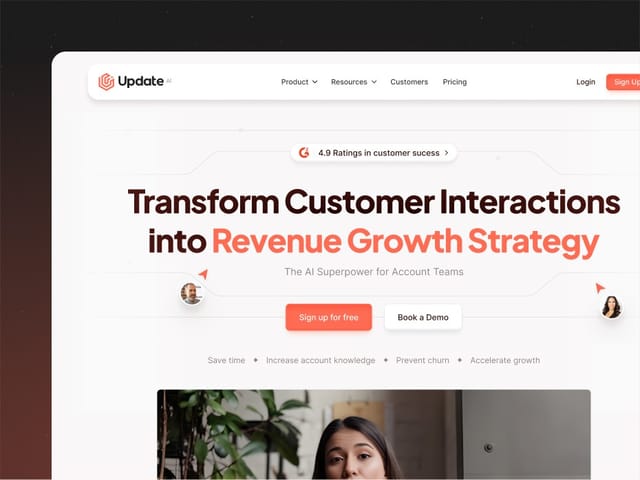
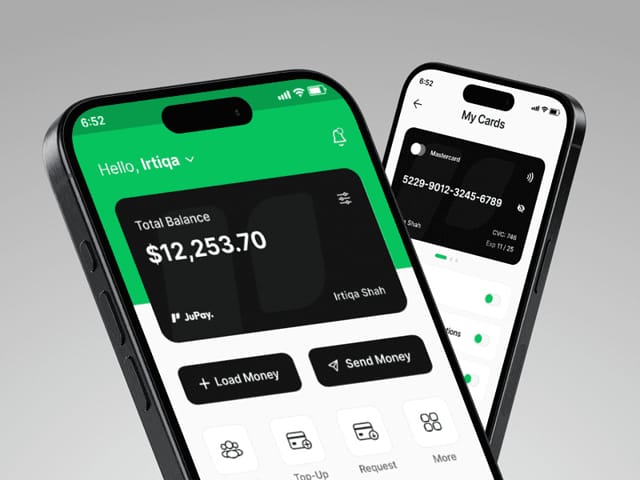
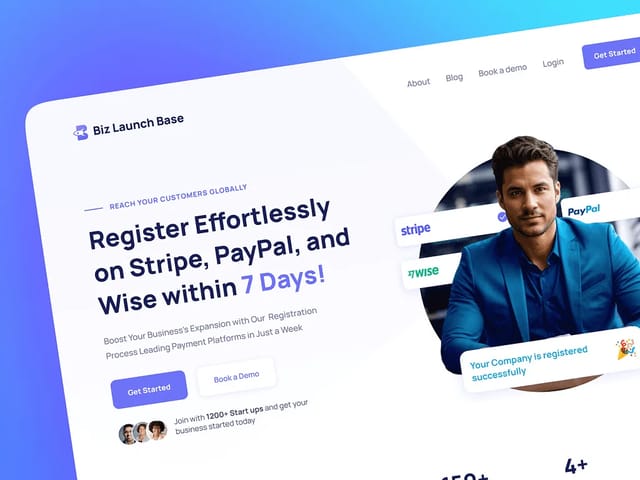
Pick Designify if the website is the project and it has to explain and sell the product. That's most of our work: we designed and built Update.ai's site, and we've shipped sites for startups such as Jupay and Biz Launch Base. One team handles the words, the design and the code, so nothing gets lost between them.
- Your product takes explaining. We start with positioning and copy, because a good layout can't fix a vague headline.
- You don't want to manage freelancers. You get one point of contact and one fixed price.
- You need it live, not just designed. We build in Next.js, Framer or Webflow and handle the launch checks.
- You want ongoing help. Our design retainer is $6,000 a month for design and development, with no hourly tracking.
We're not the right pick for one-off graphics, a single small fix or a very tight budget. Fiverr is better for those.
Can you use Fiverr and Designify together?
Yes, and many startups should. A studio is good value for the work that shapes the company, such as the website, the message and the core page templates. A marketplace is good value for the steady stream of small tasks around it, such as social graphics, ad resizes and quick edits.
For example, suppose a seed-stage startup hires us for an $8,000 website, then buys small Fiverr gigs for launch graphics built from the brand system we hand over. That split keeps the main site consistent and the small jobs cheap. If you want to test how we work before committing to a full project, the trial week is $1,000 for one week of design and development on a real piece of your site.
What to hand a Fiverr seller after a studio project
Give them the Figma file with the type styles and colors, the logo files, a page or two of approved copy as a tone sample, and one finished page as a reference. With those, a seller can produce on-brand assets without guessing.
Keep site changes with whoever built the site. Small graphics travel well between providers, but edits to templates and code are where consistency usually breaks.